
Mission
Conduct and translate genetically and community-informed epidemiological research that strengthens collaborative learning, informs public understanding, and reshapes the conversation around health in ways that reflect the questions and concerns for a broad range of communities.
Vision
Advance a culture of thriving collaborative environments where the perspectives and expertise of community neighbors and project participants as well as the organizations that serve them through research or resource support shape the process of conducting and translating research knowledge.
Goal
We apply a wide range of research methods to produce rigorously developed results that reflect community concerns which could be translated and implemented beyond research settings.
Meet the Team
Click on each person’s picture to learn more about them!

Elizabeth Prom-Wormley
LinkedInElizabeth Prom-Wormley
Professor
I am a genetic epidemiologist focused on understanding the genetic and environmental determinants of substance use and mental health. As Scientific Director of the Mid-Atlantic Twin Registry (MATR), I lead translational and community-engaged research that bridges epidemiologic discovery with real-world impact.

Medhin Haile
LinkedInMedhin Haile
Research Assistant
My research is focused on understanding how early-life exposures, including substance use, influence long-term cardiovascular risk trajectories and overall health outcomes, particularly within the context of maternal and child health outcomes.

Mei-Hsin Su
LinkedInMei-Hsin Su
Postdoctoral Fellow
My research interests focus on using structural equation modeling (SEM) to examine the genetic and environmental contributions to human behaviors, such as substance use and activity engagement.

Kevin Ball
LinkedInKevin Ball
Graduate Student
My research uses epidemiologic methods to study substance use patterns with multimorbidity to inform prevention and intervention strategies. I am interested in examining how substance use contributes to the onset and progression of multiple chronic health conditions across the lifespan.

Maria Fatima Ali
LinkedInMaria Fatima Ali
Research Assistant
My research interests focus on epidemiology, oral-systemic health, and chronic disease prevention, with emphasis on survey research, registry development, and data harmonization. I am particularly interested in applying data-driven public health approaches to generate actionable evidence, strengthen policy decisions, and improve population health outcomes.

Rylyn Reyes
LinkedInRylyn Reyes
Volunteer
My research interests include the co-occurrence of chronic diseases and substance use disorders (SUD). Additionally, I enjoy being involved in community-engaged research, where community voices are included to supplement public health initiatives.

Aleeza Rahman
LinkedInAleeza Rahman
Research Assistant
My research interests focus on substance use risk and resistance factors, with an emphasis on identifying why some individuals are more vulnerable while others remain resilient. I am also interested in the relationship between memory distortion and post-traumatic stress disorder, particularly how trauma-related memory processes may influence symptom development, persistence, and recovery.

Cate Vaughn
LinkedInCate Vaughn
Volunteer
I am interested in public health and in understanding the factors that motivate health-related decisions across individuals and communities. My research interests include examining how social context, beliefs, access to resources, and communication shape health behaviors, with the goal of informing more effective, equitable, and person-centered prevention and intervention strategies.

Muhammad Uzair Rais
LinkedInMuhammad Uzair Rais
Volunteer
I am passionate about community-engaged research and enjoy applying scientific discoveries to develop real-world solutions that improve health and create meaningful impacts in people’s lives. My work is grounded in collaboration and translation, with a focus on addressing community priorities through practical, evidence-based approaches that support health equity and long-term well-being.

Chao-Yi Lo
LinkedInChao-Yi Lo
Graduate Student
My research examines how genetic and environmental factors jointly influence substance use and mental health outcomes in adolescents and young adults. I apply genetic epidemiology approaches, including twin studies and other genetically informed designs, to better understand developmental risk and resilience pathways and to support prevention and early intervention strategies.
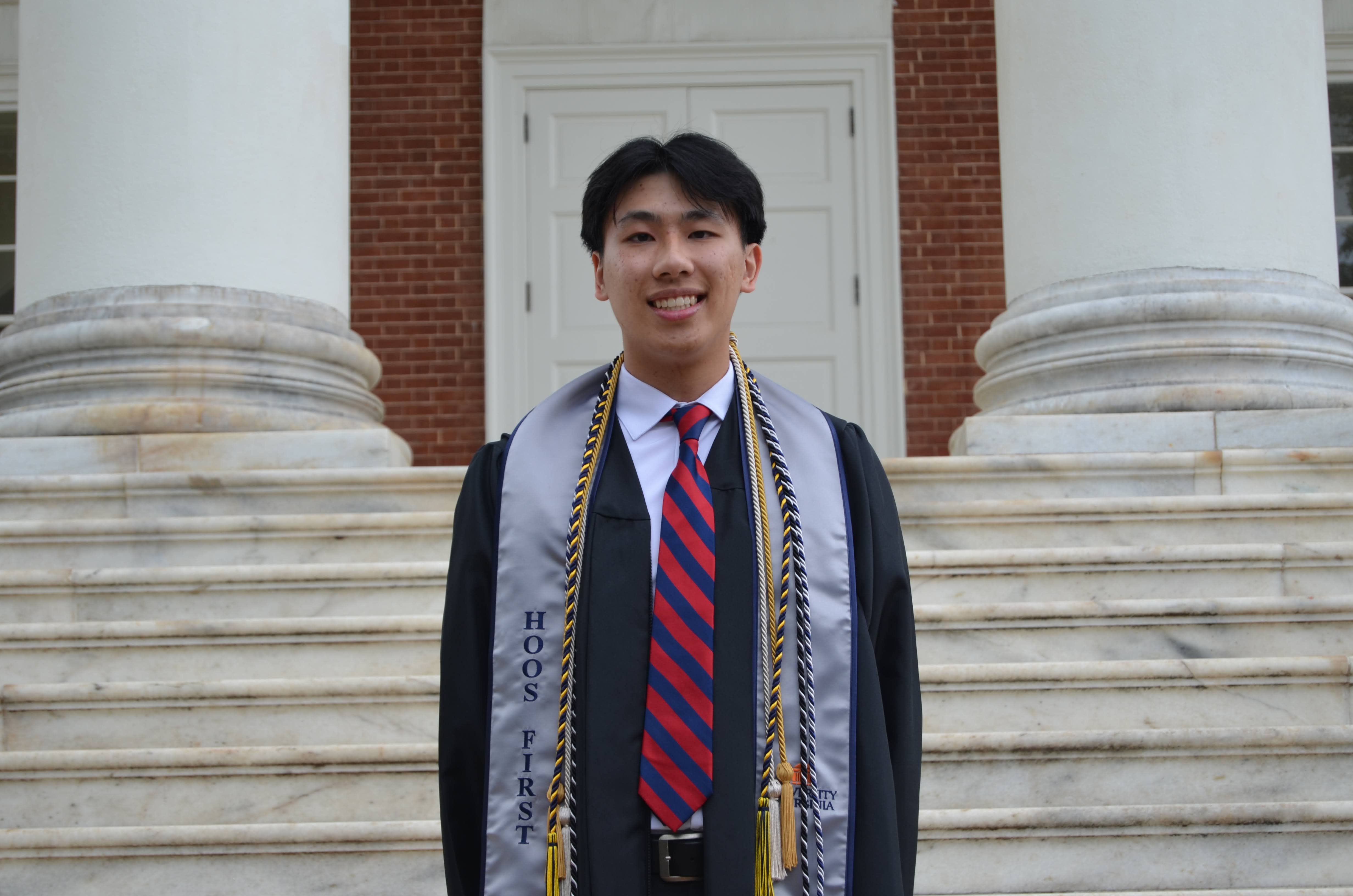
Jonathan Du
LinkedInJonathan Du
Volunteer
My research focuses on identifying risk and protective factors associated with illicit substance use. I am particularly interested in how identity, community context, and socioeconomic determinants of health shape vulnerability to substance use disorders and influence pathways to prevention, resilience, and recovery across diverse populations.

Emily Edwards
LinkedInEmily Edwards
Volunteer
My research interests center on cancer prevention and control, chronic pain, and health communication, with an emphasis on translating evidence into patient-centered interventions and public health strategies. I am particularly interested in understanding how communication, behavior, and care delivery influence prevention, pain management, and health outcomes across diverse populations and clinical settings over the life course.
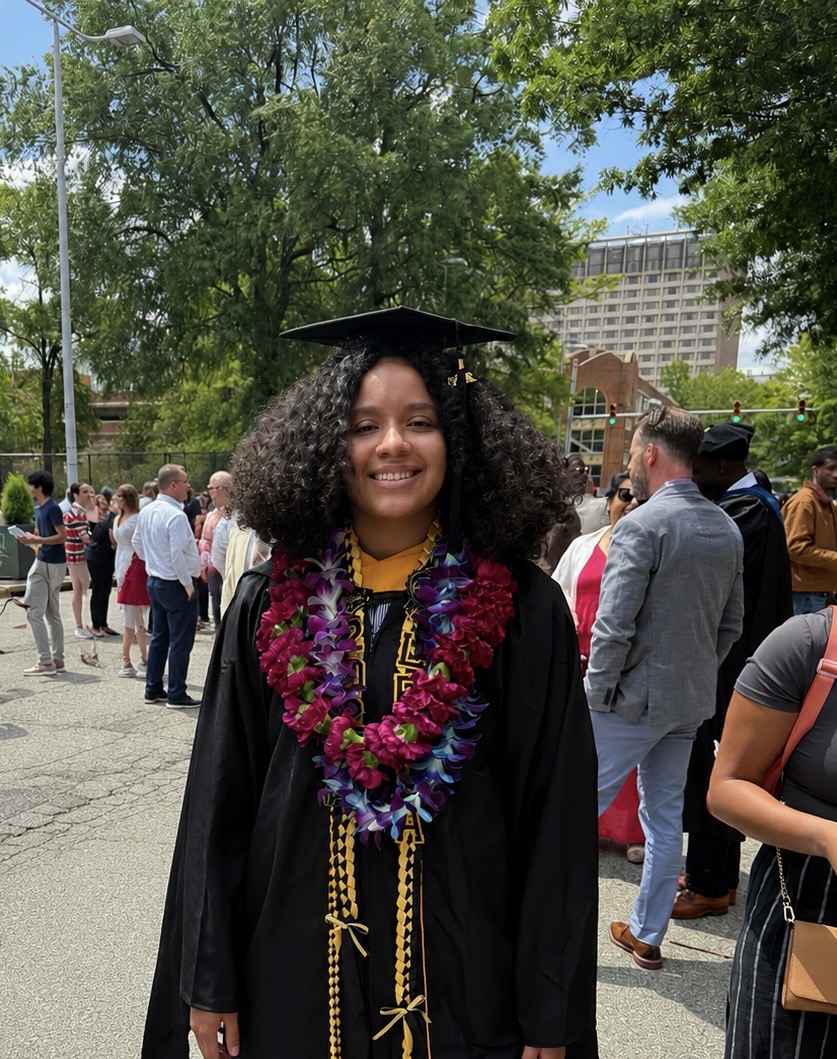
Danielle Coates
LinkedInDanielle Coates
Research Assistant
My research focuses on implementing artificial intelligence, particularly large language models (LLMs), to reduce the manual processing burden of PDF-based questionnaires. I am also interested in improving data accessibility by developing dashboard applications that streamline questionnaire data management, support efficient analysis, and enhance the usability of MATR resources for research and decision-making.

Jonathan Wells
LinkedInJonathan Wells
Graduate Student
I use genetic epidemiology methods to investigate the etiology and prediction of psychiatric disorders, substance use disorders, and their comorbidities. My research also examines how psychosocial risk factors and physiological stress indicators mediate or moderate genetic effects in these conditions, with a particular focus on structural equation modeling approaches.

Isha Rane
LinkedInIsha Rane
Volunteer
My research interests center on psychiatric and behavioral epidemiology, with an emphasis on genetically informed research designs, including twin studies. I am especially interested in examining the developmental trajectories of substance use disorders and understanding how genetic liability, environmental exposures, and broader social contexts interact to shape long-term health outcomes.
Team Alumni
Gaius Ahamide
Kelci Straka-Mai
Dr. Michael Sawdey (FDA CTP)
Dr. James (Jim) Clifford (ECU)